


 Click here to read the articleThe potential dangers of blue light on the human eye are a subject of increasing debate, notably since the widespread use of LED lamps. This review addresses what blue light is, demonstrates where it is found, and explains why it can be harmful and under what conditions, and concludes with some recommendations for reducing associated risks
Blue light is everywhere, originally mainly in sunlight. This is nothing new. What has changed is our way of life. In short, we have gone from darkness to light within a few decades. Consider the changes to our habitat, where living spaces are now facing south and have large windows, whereas our elders tended to protect themselves from the sun; then there is extensive exposure of our bodies to sunlight in Western countries where garments are lighter and leisure is geared toward the sun (sea, mountains, ski, etc.). But that’s not all. Two major technologies have emerged in recent years that have contributed to blue light over-exposure: LED lamps and the last generations of screens. At the same time, the elderly are now suffering from age-related macular degeneration (AMD) on a large scale, and the use of screens by all of us, especially the younger generations, is literally exploding. These changes are now giving rise to fears of potentially associated health dangers, and an increasing number of questions.
Article from the magazine "Point de vue"

If you suffer from nausea, headaches, dizziness or fatigue when riding in a car, shopping, reading, using a computer or smart phone, exercising or watching movies and are extra sensitive to light.
You may have the SEE Sick Syndrome when just SEEING motion and eye movement triggers the symptoms.
The good news !
There is a drug free cure with Dynamic Adaptive Vision Therapy

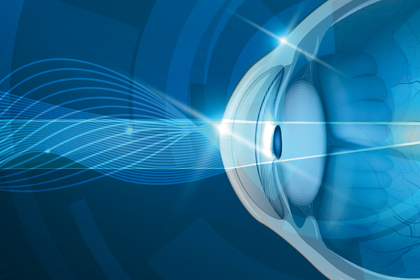
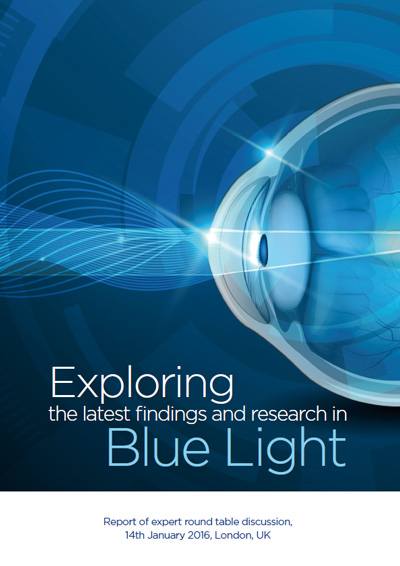 A round table discussion held in January 2016 – chaired by Professor John Marshall with a panel of experts representing research, ophthalmology, academia and retail optometry – set out to determine the extent to which blue light is a hazard to the human eye and to establish whether it is implicated in disease such as age-related macular degeneration (AMD).
Discussions included the availability of existing research and the likelihood of future studies being conducted, which will help support the increasing body of evidence that blue light is a concern for eye health. They concluded by suggesting how this potential risk should be discussed in the practice environment.
Article from the magazine "Point de vue"